
French Polishing vs Varnishing: Which Finish Is Best for Furniture and Woodwork?
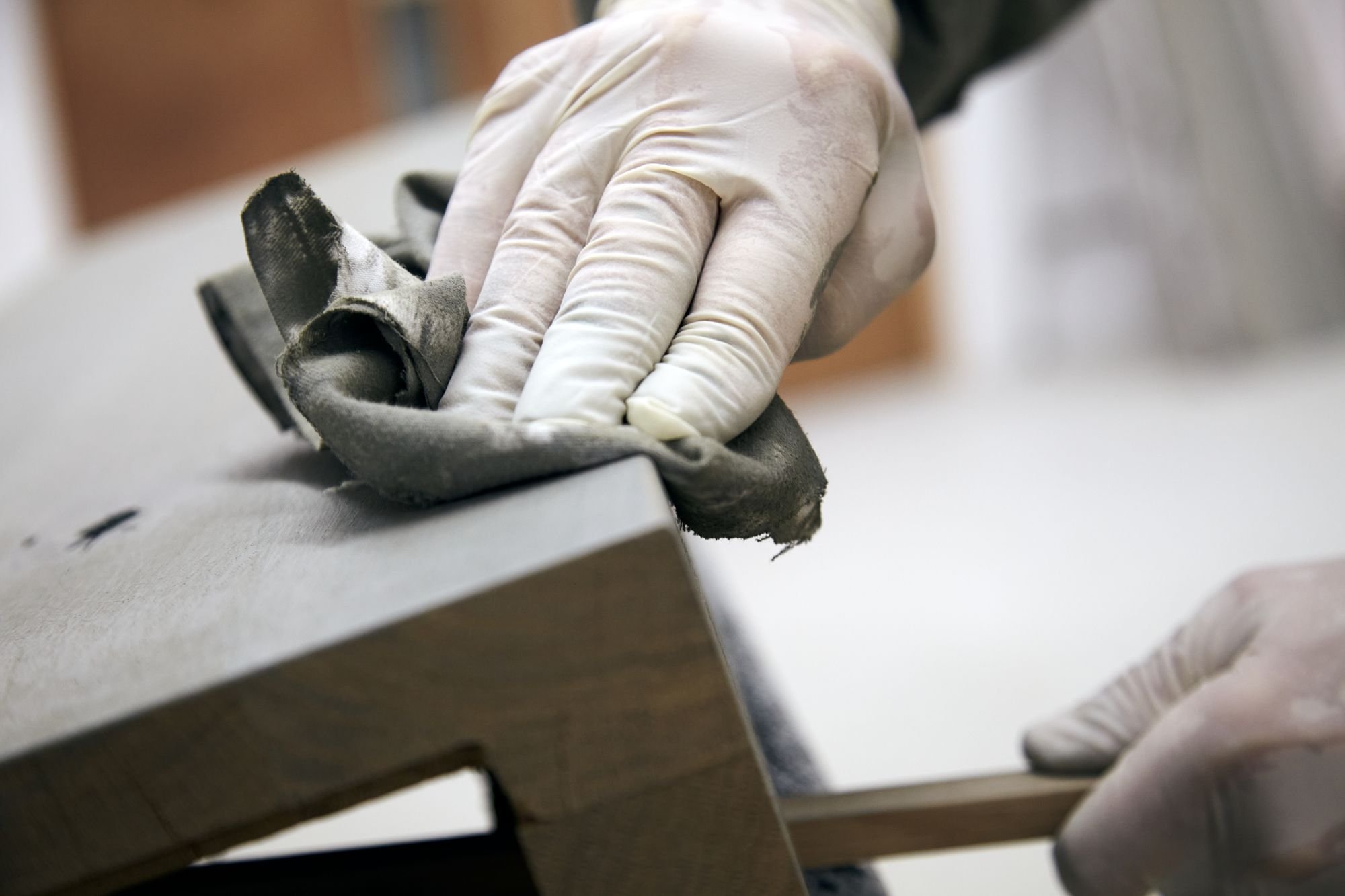
If you’re planning on restoring or finishing a piece of wooden furniture, a timber staircase, or other non-painted timber surface, varnishing and French polishing are usually the two options that come up first.
Both protect the wood, and both can look great, but depending on your circumstances and the use case, one might be much more suitable for the job.
This guide will break down how the two finishes actually compare and help you make the right call before you commit to either.
What's the Difference Between French Polish and Varnish?
French polish is a natural product. It’s a resin (shellac) created by the lac insect in the jungles of India and Thailand, dissolved in alcohol, and hand-applied to the wood using a cotton pad, typically over dozens of layers. It's a slow and labour-intensive process, but the French polish seeps deep into the wood, and the finish becomes part of the wood's surface rather than a coating sitting on top of it.
Varnish is a synthetic or semi-synthetic resin, typically brushed or sprayed on in only a handful of coats. It then cures into a hard, even film across the surface. The process is significantly faster than French polishing, and it's easier to achieve a perfectly uniform result; however, varnish sits on top of the wood almost like a thin sheet of plastic.
They’re built for different priorities, and neither is inherently better.
When does French polishing make more sense than varnishing?
French polishing is typically the best choice when the look and feel of the timber is more important than protecting it. That includes antique furniture, staircases and handrails, and anything where a warm, reflective shine matters more than heat and water resistance.
It's also the better choice if you're looking for a finish that can be touched up in spots rather than fully refinished when marks appear.
When does varnishing make more sense than French polishing?
If durability and protecting the timber are more important than its look and feel, varnish might be the right call. Varnish stands up to abrasions, scratches, and knocks better than French polish, and it's more heat- and water-resistant.
Typical use cases include dining tables, kitchen units, external and high-traffic doors, and furniture in busy homes, especially ones with pets or small children.
Can you varnish over French polish or French polish over varnish?
You can, but it's a tricky process. Neither finish can simply be applied on top of the other — varnish won't bond to the shellac, and the French polish won't be able to seep into the varnish.
If you want to switch from one to the other, the existing finish needs to be fully stripped back to bare wood first. This can be difficult with large or geometrically complex pieces.
French Polish vs Varnish: A Detailed Comparison Table
| Factor | French Polish | Varnish |
|---|---|---|
| Look | Deep, warm shine; grain visible through the finish | Even, glossy or satin film; grain visible but sits under the coating |
| Durability | Softer surface, marks more easily with knocks | Hard-wearing, resists scratches and everyday knocks |
| Water & Heat Resistance | Weak — marks from hot cups and standing water | Strong — built to handle spills and warmth |
| Smells/VOC During Application | Mild, alcohol-based, dissipates quickly | Stronger solvent smell, longer ventilation time needed |
| Maintenance & Repairability | Easy — scuffs can often be spot-repaired by hand | Harder — usually needs full sanding back and recoating |
| Application Time | Slow, often days for a full job | Faster, typically hours to a day |
| Typical Cost | Higher, due to the time and skill involved | Lower, for a comparable-sized piece |
| Best For | Antiques, showpieces, staircases, low-traffic furniture | Dining tables, kitchen furniture, high-traffic surfaces |
Still not sure which finish suits your piece?
Speak to the timber finishing specialists at Stoke French Polishing. We'll give you an honest recommendation, even if that means suggesting varnish over French polish.
Yes, and on staircases this is actually a fairly common approach. Staircase treads take the brunt of the impact and have to withstand years of constant footfall, so a harder-wearing finish like varnish makes sense. Handrails, spindles, and newel posts, however, see much less physical contact and often benefit more from additional warmth and sheen as opposed to additional protection.
The same logic applies to other mixed-use pieces. For example, an antique dining table that still gets regular use might have a varnished top for day-to-day durability, with French-polished legs or a matching sideboard where the shine matters more than the wear resistance.
There's no rule that says a project has to use one finish throughout, and a good polisher will often recommend exactly this kind of split rather than pushing one finish across the whole piece.
Planning a project with mixed finishes?
Talk to us about which parts of your staircase, furniture, or joinery would benefit from French polish and which are better suited to varnish. We'll help you plan it properly from the start.
French Polishing vs Varnishing FAQs
Is French polish more expensive than varnish?
Generally, yes. French polishing is a slower, hand-applied process, so it costs more than varnishing for a comparable piece. The trade-off is a finish that's easier to repair locally over time, which can offset some of that cost in the long run.
Which finish lasts longer, French polish or varnish?
Varnish holds up better against daily wear, heat, and water, so it often looks presentable for longer with less careful handling. French polish can last just as long, or longer, but it needs a bit more care and the odd touch-up along the way.
Does varnish look as good as French polish?
It depends what you're after. Varnish gives a clean, even, glossy finish, which suits modern furniture and joinery well. French polish has more depth and warmth to it, which is why it's still the preferred choice for antiques and fine furniture, but it's a different look rather than a strictly better one.
Can I remove varnish and have a piece French polished instead?
Yes, but the old varnish needs to be fully stripped back to bare wood first. Any old finish left behind will show through and affect how the shellac takes to the wood, so this isn't a step worth skipping.
Is varnish a good choice for a staircase?
It can be, particularly for treads and areas that see heavy daily footfall, since varnish handles wear better than French polish does. Many staircases actually use a mix of finishes: a harder-wearing coating on the treads, and a French-polished finish on handrails, spindles, and other lower-wear areas where the shine matters more
